
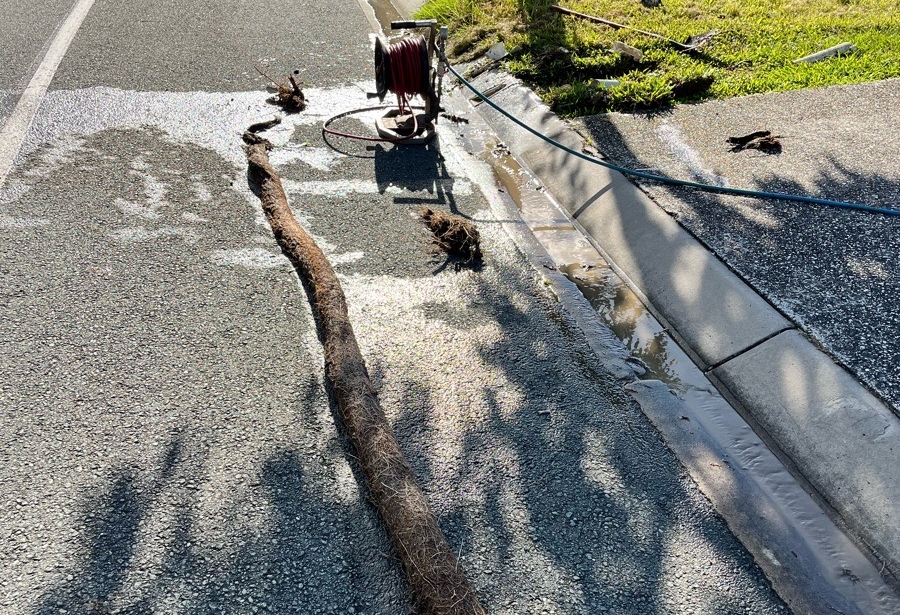
When you hear the word fatberg, it might sound like a quirky headline or an overseas issue, but the reality is closer to home than most people think. Fatbergs are large, stubborn blockages that form in sewer systems from a mix of grease, oils, food scraps, wet wipes and other household waste that shouldn’t be flushed or rinsed away. In places like the UK, there have been fatbergs the length of a blue whale, causing significant headaches for councils and water authorities. But here’s the thing: while we might not see a 60 metre monster clogging the pipes under Brisbane, smaller versions are absolutely forming beneath our homes, streets and suburbs, and they’re no less disruptive.
These blockages build up gradually, usually out of sight and out of mind, until something goes wrong that is. A slow draining sink, a gurgling toilet or even raw sewage backing up into your garden, these can all be signs that your private version of a fatberg is already forming. And the worst part? It’s completely preventable.
What Exactly Is a Fatberg Made Of?
Let’s get into the nitty gritty of what they are. Essentially they are unholy combination of fats, oils and greases (often referred to as FOG) mixed with everyday waste that never belonged in a drain in the first place. Wet wipes are a big culprit. Even the ones labelled “flushable” tend to clump together with other debris in the pipes. Add in sanitary products, food scraps, cotton buds, and the occasional nappy and you’ve got yourself the perfect storm.
What surprises many people is that fatbergs don’t need years to develop. In some cases, they can form in just a few months, especially in small household plumbing systems where the diametre of the pipes makes them more vulnerable. When all that gunk starts to solidify and stick together, it reduces water flow, traps even more debris, and creates a solid mass that’s tough to shift without professional help.
The Simple Fix to a Costly Problem
The good news is that avoiding a fatberg is entirely within your control. It all comes down to changing how we think about our drains. Pipes are designed to carry away water and human waste and nothing more. But too often, people treat their drains like bins. A splash of oil from a frying pan? Rinse it. Leftover soup? Down the sink. Wet wipe? Flush it. These tiny moments of convenience slowly contribute to a bigger problem.
Start with cooking waste. Instead of rinsing oily pans, wipe them down with a paper towel and toss it in the bin. Scrape food scraps into the compost or garbage instead of washing them down the plughole. As for the bathroom, stick to flushing only toilet paper. That means no wipes, no sanitary products, and definitely no cotton buds or dental floss.
These may sound like small changes, but multiplied across thousands of homes, they make a massive difference. And they’re not just about saving your own plumbing as they also help reduce strain on Brisbane’s wider sewer network, cutting down on costly repairs and maintenance.
When It’s Time to Call in the Experts
If you’re already dealing with slow drainage, gurgling pipes or bad smells, chances are you’ve got a build-up somewhere. While hot water and a bit of vinegar might help for very minor issues, a fatberg won’t shift so easily as these blockages can be solid enough to require high pressure water jetting, or in worst-case scenarios, digging and pipe replacement. That’s when you want to bring in a plumbing professional who knows their way around Brisbane’s drainage systems.