
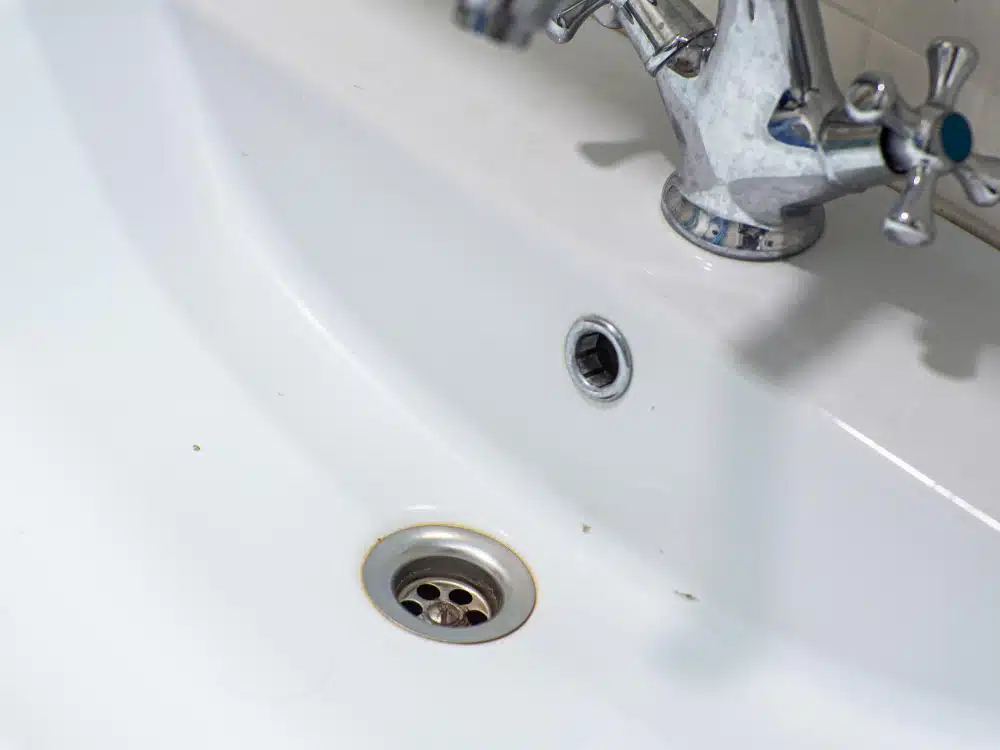
They may be tiny, but drain flies can cause a surprisingly big headache. If you’ve noticed small moth like insects buzzing around your bathroom sink or hovering near your shower drain, you’re likely dealing with these persistent pests. Drain flies (also called sewer flies or moth flies) are a common household invaders that thrive in damp, organic rich environments.
While they don’t bite or cause structural damage, they’re more than just an annoyance as they can carry bacteria, and if left unchecked they can multiply rapidly. The good news is, with the right approach, you can get rid of them naturally and prevent them from coming back. In this blog, we’ll break down what they are, why they’ve made themselves at home in your space and how to kick them out for good, all without relying on harsh chemicals or other expensive treatments.
What Are Drain Flies and Why Do They Show Up?
Drain flies are about 1 to 5mm in size and have fuzzy wings that make them resemble tiny moths. They breed and live in moist environments filled with decaying organic matter such as bathroom and kitchen drains, floor traps and even damp spots under sinks. The life cycle of a drain fly is short, but they reproduce quickly, with females laying up to 100 eggs at a time. Those eggs hatch into larvae that feed on the gunk lining your pipes. Once they reach adulthood, they hover around the same area, continuing the cycle.
They tend to appear when there’s a build up of organic debris in a drain or when water isn’t draining properly. Even something as simple as an unused guest bathroom sink can become the perfect breeding ground if it’s left stagnant for too long. While they don’t pose a major health threat, their presence often signals an underlying drainage or plumbing issue that’s worth investigating. Plus, let’s be honest, no one wants to share their bathroom with a swarm of little flying insects.
How to Naturally Get Rid of Drain Flies
The first step to eliminating drain flies is targeting their breeding site, which is almost always inside your drains. Start by running hot water down the affected drains to break up biofilm and flush away surface-level grime. But don’t stop there as you’ll need to do a deeper clean to remove the residue they thrive on. Try using a combination of baking soda and vinegar as this creates a fizzy reaction that helps dislodge stubborn build up. Let it sit for an hour or two, then follow with a kettle of boiling water.
A drain brush or a flexible cleaning snake can be especially useful to physically scrub away organic muck stuck to the sides of your pipes. For stubborn cases, you might need to repeat the process for a few days until all traces of the infestation are gone.
You can also make simple traps to monitor your progress. Fill a small jar with apple cider vinegar and add a drop of dish soap and cover the top with cling wrap and poke small holes in it. Drain flies are attracted to the scent, crawl in and can’t get out. This won’t solve the root issue, but it can help control the population while you clean.
Preventing Future Drain Fly Infestations
Once you’ve tackled the immediate issue, prevention is key. Drain flies thrive in damp, dirty environments so keeping things dry and clean is the best way to keep them from returning. If you have drains that don’t get used often, make a habit of running water through them every few days. This keeps water moving and discourages the build up of slime and grime where they can breed.
Be sure to fix any leaks under sinks or behind walls, and keep an eye on floor drains in laundry rooms or garages. Even indoor plants can be a culprit, with overwatering then potentially causing the soil to stay soggy, attracting not only drain flies but also fungus gnats. Empty and dry the saucers underneath pots regularly. Essentially, good maintenance goes a long way. A regular cleaning routine, including drain flushing and checking for damp areas around the home, can stop a small nuisance from turning into a full blown infestation.
It Might Indicate a Bigger Problem with your Plumbing
In most cases, you can get rid of drain flies with a little persistence and a few basic household items. But if the infestation lingers or if you suspect a more serious plumbing issue is behind the problem, it might be time to bring in a professional plumber. For instance, a blocked or damaged pipe could be creating a hidden breeding ground that’s difficult to reach and local plumbers are equipped to deal with deeper issues, from unblocking drains to identifying leaks you might not see. A quick inspection can save you a lot of time and hassle in the long run.