
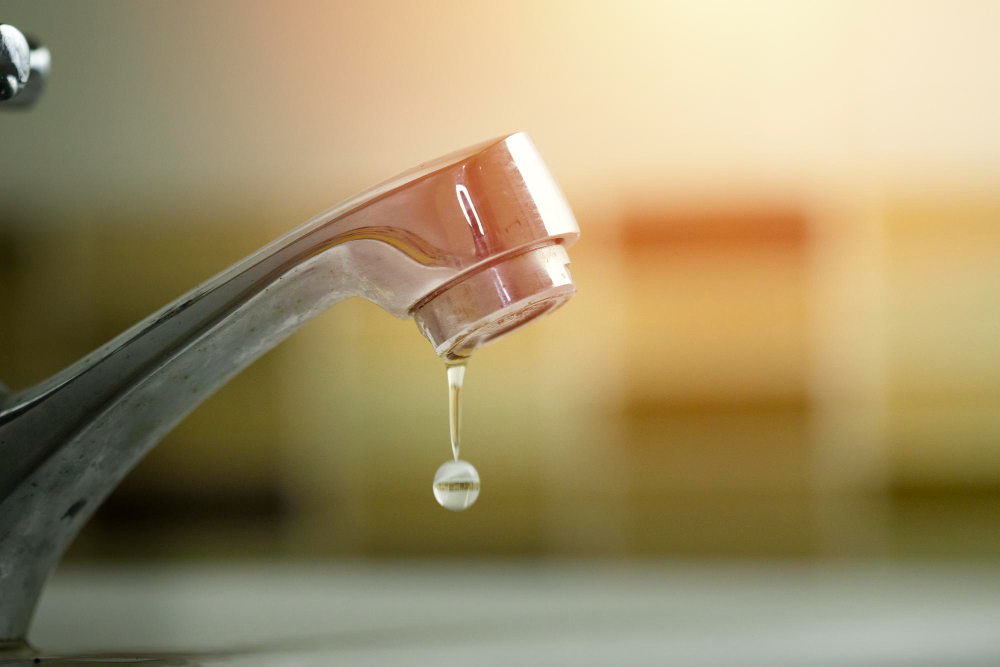
A slow, persistent drip from your tap might not seem like a big deal, but the reality is far more concerning. Dripping taps contribute to significant water wastage, increasing the demand on local water supplies and energy-intensive treatment processes. With water becoming an increasingly precious resource, reducing waste is more important than ever.
A single dripping tap can waste over 26 litres of water a day. While that might not seem excessive on its own, multiply it by the number of homes and businesses with unnoticed or ignored leaks, and the numbers quickly add up. Thousands of litres of clean water are lost every day due to leaking taps, putting unnecessary pressure on water reserves and ecosystems that rely on stable water levels.
The Financial Cost of Ignoring Leaks
Leaks doesn’t just impact the environment it also takes a toll on your wallet. A small, seemingly harmless drip may not be obvious in your daily water usage, but over time the wasted water adds up on your utility bill. Households that ignore minor leaks often find themselves paying for water they never even used.
More concerning is the potential for hidden leaks to cause extensive damage. Water escaping from damaged pipes or fittings can seep into walls, floors and ceilings obviously leading to costly repairs. Mould growth, wood rot and other such structural damage are all possible consequences of prolonged exposure to moisture. So catching leaks early and getting them fixed promptly can prevent these issues before they escalate into expensive repairs.
Plumbing systems are designed to work efficiently, but even a small leak can disrupt their function. Water pressure fluctuations, increased strain on fittings, and additional wear on your pipes can all result from persistent drips. This can lead to more significant plumbing failures down the track, requiring major repairs or even complete pipe replacements.
How to Detect a Leaking Tap
Since leaks aren’t always obvious, it’s essential to keep an eye out for the telltale signs of a dripping tap or hidden leak, so we’ll highlight some of the more common signs to look out for:
- If you can hear the sound of water dripping, even when the taps are turned off, you likely have a leak.
- Discoloured patches on walls or ceilings near plumbing fixtures can indicate slow leaks.
- A sudden increase in your water bill, without a change in usage habits, often points to a hidden leak.
- Persistent dampness, musty odours or the appearance of mould around sinks, cabinets or walls suggest moisture is escaping from somewhere it shouldn’t.

Preventing and Fixing Dripping Taps
The best way to avoid the problems associated with dripping taps is to prevent leaks from occurring in the first place. Regular plumbing maintenance is key to ensuring all fixtures and fittings remain in good condition. Checking taps periodically and replacing worn washers or seals can prevent small leaks from developing into larger issues.
If a leak does occur, fixing it promptly is crucial. While some minor leaks can be resolved with DIY solutions, more complex problems require the expertise of a professional plumber. Ignoring a drip today can lead to major issues down the line, so it’s always best to get it fixed sooner rather than later.
Water Conservation Starts at Home
While fixing a dripping tap might seem like a small action, every drop saved contributes to a larger effort in conserving water. Water is a finite resource, and reducing waste ensures that more is available for essential needs like agriculture sanitation, and environmental conservation.
By staying proactive about leak detection and repair, homeowners and businesses alike can play a role in minimising unnecessary water wastage. Making the effort to fix leaks, upgrade inefficient plumbing fixtures, and stay mindful of water usage habits can lead to significant savings, both environmentally and financially.