
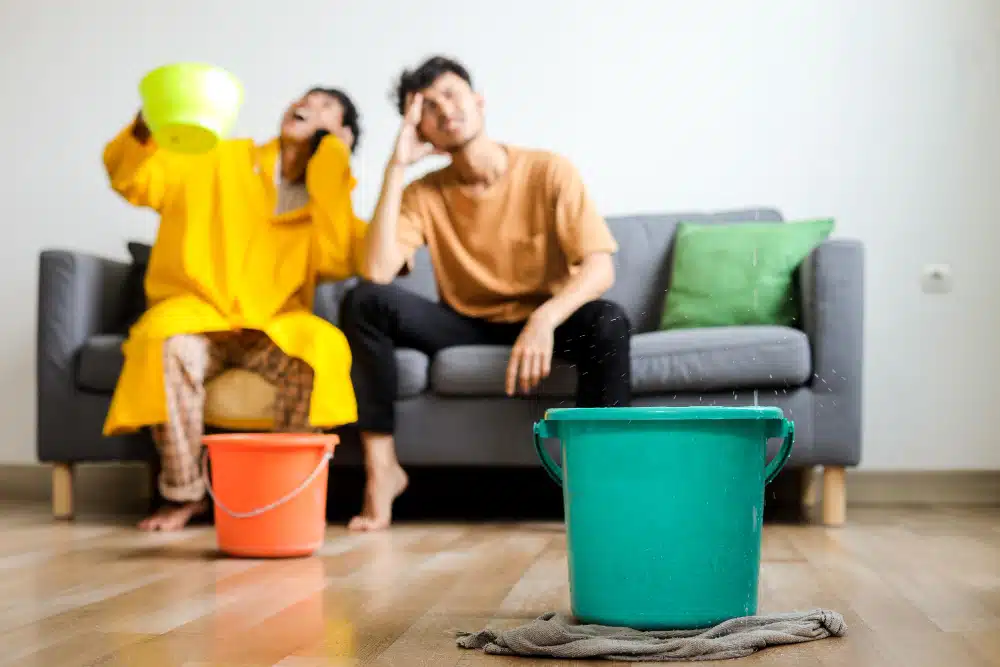
In a previous post, we covered 4 of the most plumbing emergencies that send homeowners scrambling for help which included burst pipes, blocked drains, hot water system breakdowns and sewer line problems. But these aren’t the only situations that demand urgent attention.
Some plumbing emergencies develop more gradually, giving you warning signs before escalating into serious problems. Others seem minor at first glance but create cascading damage if left unaddressed. Understanding what qualifies as an emergency and knowing how to respond protects your property and saves you money in the long run.
Below, we’ve outlined more common plumbing emergencies we respond to regularly throughout Brisbane. Each one requires prompt professional attention to prevent water damage, structural issues, or ongoing inconvenience.
A Quick Reminder: First Steps for Any Plumbing Emergency
- Turn off the water supply to the affected area or at the main if necessary
- Protect your belongings and electronics from water damage
- Document the situation with photos for insurance
- Call Bell Plumbing on (07) 3354 3300 immediately
- Don’t attempt complex repairs yourself
1. Overflowing Toilets
An overflowing toilet demands quick action, particularly in multi-level homes where water can spread to rooms below. What appears as a simple blockage may indicate a more serious issue within your drainage system. Toilets overflow due to obstructions in the toilet trap or drain line, malfunctioning flush mechanisms in the cistern, issues further down the sewer line affecting multiple fixtures, foreign objects accidentally flushed, or build up of non-flushable materials.
Watch for water level rising higher than normal after flushing, slow or weak flushes that don’t clear the bowl, bubbling or gurgling when flushing, water leaking around the base of the toilet, or backing up when using other fixtures nearby. These signs suggest a developing problem that needs attention before it becomes a flood. We’ll determine whether the problem is localised to the toilet or part of a larger drainage issue, ensuring the repair prevents recurrence.
What to do immediately:
- Don’t attempt to flush again if water is rising
- Turn off the water supply valve at the base of the toilet
- If water is overflowing, use towels to contain the spread
- Don’t use any plumbing fixtures in that bathroom
- Call a plumber to diagnose and resolve the issue
2. Leaking Fixtures
That persistent drip from a tap might seem minor, but leaking fixtures waste substantial amounts of water and cause damage that compounds over time. What starts as an annoying sound becomes mould growth, rotted cabinetry, and structural deterioration. Fixtures leak when washers and seals wear out, valve seats corrode, connections loosen or become damaged, cartridges fail in mixer taps, or components simply reach the end of their service life.
Constant dripping from taps or showerheads is the most obvious sign, but also watch for water pooling around the base of fixtures, moisture stains on cabinets or walls, musty odours indicating hidden moisture, and higher water bills despite no change in usage. Even small leaks add up quickly both in water waste and potential damage to surrounding materials.
What to do immediately:
- Turn off the water supply to the leaking fixture
- Place a container to catch drips and prevent damage
- Check surrounding areas for moisture that may have spread
- Don’t attempt temporary fixes with tape or sealants that might complicate proper repairs
- Contact a plumber for professional assessment and repair
We identify the root cause rather than applying temporary patches, ensuring your fixtures are properly repaired and won’t develop the same problem shortly after.
3. Stormwater and Drainage Issues
Heavy rainfall quickly reveals weaknesses in your stormwater system. When gutters, downpipes, and drains can’t handle the volume, water redirects to places it shouldn’t go, threatening your home’s interior and foundation. Stormwater problems typically occur when debris blocks gutters and downpipes, drainage capacity proves insufficient for your roof area, tree leaves and garden debris clog drains, drainage systems are damaged or poorly designed, or ground settling affects drainage slopes.
During rainfall, watch for water overflowing from gutters, pooling water around your home’s foundation, flooding in garages, outdoor areas, or lower-level rooms, water stains on exterior walls, or erosion in garden beds near downpipes. These signs indicate your stormwater system is overwhelmed and needs attention.
What to do immediately:
- If safe, clear visible debris from gutters and grates
- Move items away from areas where water is pooling
- Don’t attempt to clear drains during heavy rainfall
- Document the flooding for assessment
- Contact our plumbers once it’s safe to do so
We assess your entire stormwater system to identify capacity issues, clear blockages, and recommend improvements that prevent future flooding events.


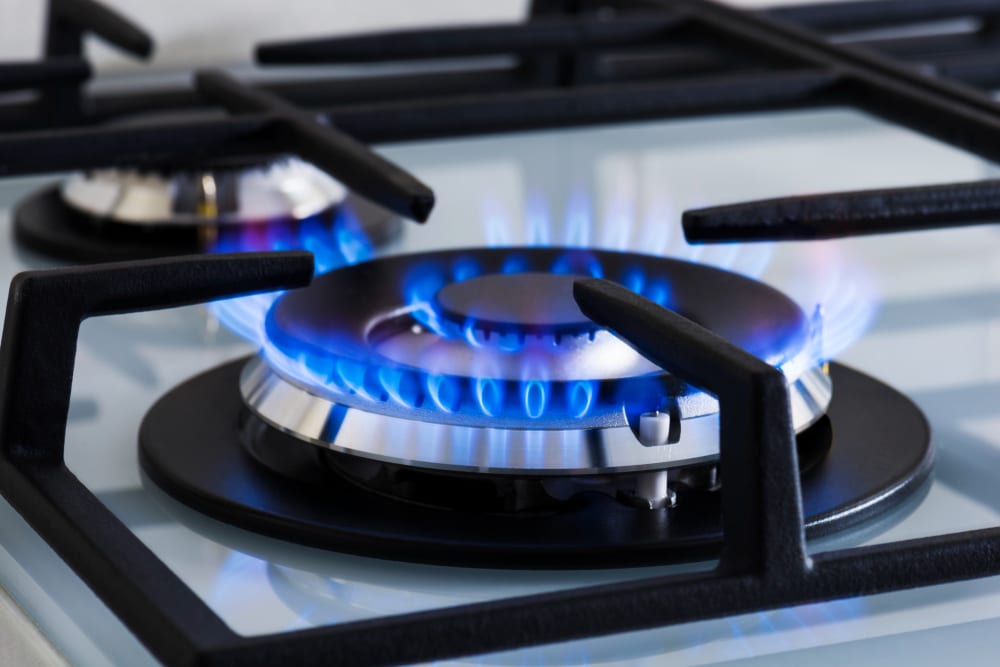
4. Gas Leaks from Plumbing Appliances
When gas leaks occur in connection with your hot water system, stove connections, or other gas-fed plumbing appliances, the situation becomes immediately dangerous. Gas leaks pose serious risks including fire, explosion, and carbon monoxide poisoning. These emergencies develop when connections deteriorate or loosen over time, appliances are installed incorrectly, components fail due to age or defects, physical damage occurs to gas lines during renovations, or seals and fittings degrade.
You might detect the distinctive rotten egg smell of natural gas (an odour added specifically for safety), hear a hissing or whistling sound near gas lines or appliances, notice dead or discoloured vegetation near underground gas lines, experience unexplained headaches, dizziness, or nausea (signs of carbon monoxide exposure), or see your gas bill increase without explanation. Never ignore these warning signs.
What to do immediately:
- Evacuate everyone from the property immediately
- Don’t use electrical switches, phones, or create any sparks
- Don’t attempt to locate the leak yourself
- Once safely outside, call 000 for emergency services
- Contact your gas provider’s emergency line
- Call Bell Plumbing for emergency gas plumbing repairs once the area is declared safe
Gas emergencies require licensed gas fitters with specialised training. We’re qualified to repair gas plumbing safely, test for leaks, and ensure your gas appliances operate without risk.
5. Sudden Water Pressure Problems
Dramatic changes in water pressure throughout your property signal underlying plumbing issues that need immediate investigation. While low pressure inconveniences daily routines, sudden high pressure threatens to damage appliances, burst pipes, and destroy fixtures. Pressure problems stem from main water line issues affecting your connection, pressure regulator failure, hidden leaks reducing available pressure, buildup restricting flow through pipes, or problems with your water authority’s supply.
You’ll notice weak water flow from multiple taps and showerheads, difficulty filling washing machines or dishwashers, toilets taking longer to refill after flushing, or conversely, water hammering violently in pipes, fixtures spraying with excessive force, or unusual vibrations in your plumbing system. Consistent pressure is essential for your plumbing to function properly and safely.
What to do immediately:
- Check with neighbours to determine if it’s a local supply issue
- Turn off the main water supply if pressure is dangerously high
- Don’t run appliances if pressure seems abnormal
- Check your property for visible leaks that might explain low pressure
- Contact us for immediate assessment and pressure testing
We use specialised equipment to measure your water pressure, identify the cause of fluctuations, and implement solutions that restore safe, consistent pressure throughout your property.
Don’t Wait for Small Problems to Become Big Disasters
These plumbing emergencies share one critical characteristic, they all become more expensive and more damaging the longer they’re ignored. What seems manageable today can escalate into thousands of dollars in repairs tomorrow. We understand that plumbing emergencies don’t respect your schedule. That’s why our emergency response team is available 24 hours a day, 7 days a week to assist Brisbane homes and businesses when urgent problems arise. We arrive promptly, diagnose issues accurately, and implement lasting solutions that protect your property.
Whether you’re dealing with an overflowing toilet at midnight, discovering a gas leak on the weekend, or facing flooding during a storm, we’re here to help.
Call us now on 0733543300.
Save this number in your phone before you need it. When a plumbing emergency strikes, every minute counts in preventing damage and getting your home back to normal.