
Plumbing emergencies rarely announce themselves politely. One moment your home is functioning normally, the next you’re watching water spread across the floor, a toilet threatening to overflow or your hot water system making alarming noises. The stress comes from the suddenness of the problem and the uncertainty about how serious it might become.
Whether you’re rushing to get ready for work or winding down after a long day, a plumbing emergency demands immediate attention. Knowing what you’re dealing with, what caused it, and how to respond can mean the difference between a quick fix and extensive property damage.
Below, we’ve outlined the 4 of the most common plumbing emergencies we respond to, what triggers them, and the steps you should take to minimise damage while professional help is on the way.
The First Steps for Any Plumbing Crisis
Before we dive into specific problems, here’s what to do the moment you suspect a plumbing emergency:
- Locate and turn off your water main – Usually found near your water meter or where the main line enters your property
- Turn off your hot water system if the emergency involves hot water or you’re unsure of the source
- Move valuables and electronics away from affected areas
- Call an emergency plumber immediately – Don’t wait to see if it gets worse
- Document the damage with photos for insurance purposes
- Save our emergency number now: [content type=”phone”]
1. Burst Pipes
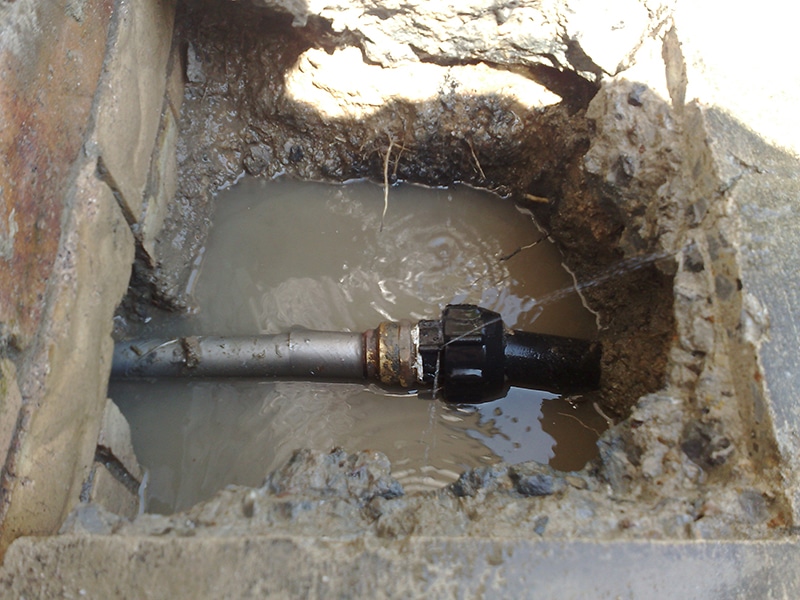
A burst pipe releases water at an alarming rate. Within minutes, you can be dealing with flooding that affects multiple rooms, damages flooring, soaks through walls, and threatens electrical systems. Pipes typically burst due to sudden pressure surges in your plumbing system, corrosion in older copper or galvanised pipes, physical impact from renovations or landscaping work, temperature fluctuations causing expansion and contraction, or simply natural deterioration over time.
You’ll know you have a burst pipe when water appears under sinks, along walls, or pools on floors where it shouldn’t be. Water pressure may drop suddenly throughout your property, or you might hear the sound of running water when all taps are closed. Damp patches or discolouration on walls and ceilings are also telltale signs, as is an unexplained increase in your water bill.
What to do immediately:
- Shut off the main water supply
- Turn off electricity at the switchboard if water is near electrical outlets or appliances
- Open taps to drain remaining water from pipes
- Move furniture and belongings away from the affected area
The faster you act, the less damage you’ll face. Water moves quickly through building materials, and what starts as surface flooding can become structural damage within hours.
2. Blocked Drains
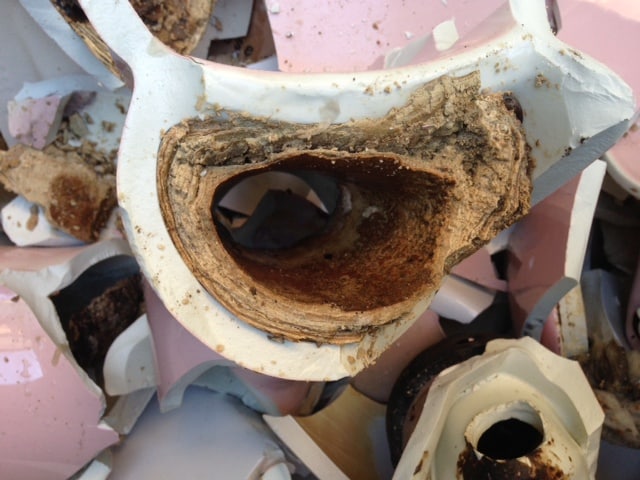
Blocked drains start as a minor inconvenience but escalate rapidly when ignored. Slow drainage becomes standing water, unpleasant odours, and eventually wastewater backing up into areas where it creates serious hygiene concerns. The most common culprits include grease and food scraps accumulating in kitchen pipes, hair and soap scum building up in bathroom drains, foreign objects flushed down toilets, tree roots infiltrating underground pipes, or collapsed and damaged sections of older drainage systems.
Watch for water draining noticeably slower than usual, gurgling sounds from drains or toilets, foul odours coming from sinks or shower drains, water backing up in multiple fixtures simultaneously, or overflow around floor drains or outdoor grates. These signs indicate your drainage system is under stress and heading toward a complete blockage.
What to do immediately:
- Stop using all water fixtures connected to the blocked drain
- Don’t pour chemical drain cleaners down the pipes (these can worsen the problem and damage pipes)
- If water is backing up, contain the overflow with towels
- Contact our plumbers to inspect and clear the blockage professionally
We use drain cameras and high pressure water jetting to locate and remove blockages without damaging your pipes. This approach clears the obstruction completely and identifies any underlying issues that might cause future problems.


3. Hot Water System Breakdowns
Losing hot water at any time is disruptive, but when your system fails during winter or when you have a house full of guests, the inconvenience becomes an emergency. More concerning is when a breakdown involves leaking, which can damage surrounding areas before you notice. Hot water systems typically fail due to worn heating elements or thermostats, sediment buildup reducing efficiency and causing overheating, corroded tanks developing leaks, faulty pressure relief valves, or electrical and gas supply issues.
Pay attention to water temperature fluctuating unexpectedly, discoloured or rusty water from hot taps, rumbling, popping, or banging noises from the unit, water pooling around the base of the system, complete loss of hot water, or higher than normal energy bills. These warning signs often develop gradually before the system fails completely.
What to do immediately:
- Turn off power to electric systems or gas supply to gas systems
- Turn off the water supply to the unit
- If water is leaking, place containers to catch drips and prevent floor damage
- Don’t attempt to restart or repair the system yourself
- Call an emergency plumber for diagnosis and repair
We can assess whether your hot water system needs repair or replacement, and in many cases, implement temporary solutions to restore hot water while arranging for more comprehensive work.
4. Sewer Line Problems
Sewer backups create both an unpleasant environment and a genuine health hazard. When wastewater flows in the wrong direction, immediate professional intervention becomes essential to protect your property and wellbeing. These problems typically stem from deep blockages caused by accumulated debris, tree roots breaking into underground pipes, structural damage or pipe collapse, ground movement affecting pipe alignment, or age-related deterioration of older sewer systems.
Strong sewage odours inside or around your property are usually the first warning sign. You might also notice multiple drains throughout the house draining slowly, gurgling sounds from toilets when using other fixtures, wastewater backing up through floor drains or low-lying fixtures, or wet patches in your yard along the sewer line path. These symptoms indicate a serious blockage or structural issue in your sewer line.
What to do immediately:
- Stop using all plumbing fixtures and appliances that drain into the sewer
- Keep family members and pets away from affected areas
- Don’t attempt to clear the blockage yourself
- Open windows to ventilate if safe to do so
- Contact an emergency plumber immediately
We use specialised inspection cameras to identify the exact location and nature of sewer problems, then employ the appropriate solution whether that involves clearing roots, patching damaged sections, or addressing collapsed pipework.
When You Need Emergency Plumbing in Brisbane
Plumbing emergencies won’t wait for business hours. At Bell Plumbing, our emergency response team is available 24/7 to help Brisbane residents and businesses when they need it most. We arrive quickly, diagnose the problem accurately, and implement solutions that stop damage from escalating.
Call us on 0733543300.
The sooner you call, the less damage you’ll face and the faster your property returns to normal. Save our number now so you’re prepared when an emergency strikes.