
Your water bill arrives, and the number makes you do a double take. You haven’t been running the sprinklers more than usual. No one’s taking longer showers, so where did all that extra water go?
The answer might be hiding in plain sight or more likely, underground where you can’t see it. Hidden leaks waste thousands of litres of water, drive up your bills and can cause serious structural damage if left unchecked. The good news is that your water meter can help you detect these problems before they spiral out of control.
Why Your Water Meter Matters More Than You Think
That small device near the edge of your property does more than track consumption. Every drop flowing through your main supply line registers on your meter and when everything works properly, the readings align with your household usage patterns. Unusual spikes or steady increases during periods of no activity signal that water is escaping somewhere in your system, and learning to spot these patterns gives you an early warning system for leaks that could otherwise go undetected for months.
Locating Your Water Meter in 60 Seconds
Most Brisbane properties have their water meter installed near the front boundary or footpath. Look for a small box just below ground level with a removable lid or check for a wall mounted unit near the front of your home.
Start your search near the front garden or driveway as these are the most common entry points for water mains. Once you’ve located the meter box, lift the lid carefully and you’ll find either a digital display or a traditional mechanical dial showing your current water usage.
Keep the meter box clear of dirt, ants and debris so you can easily read it when needed. Regular visibility makes monitoring much simpler.
How to Read Your Meter (Even If You’ve Never Done It Before)
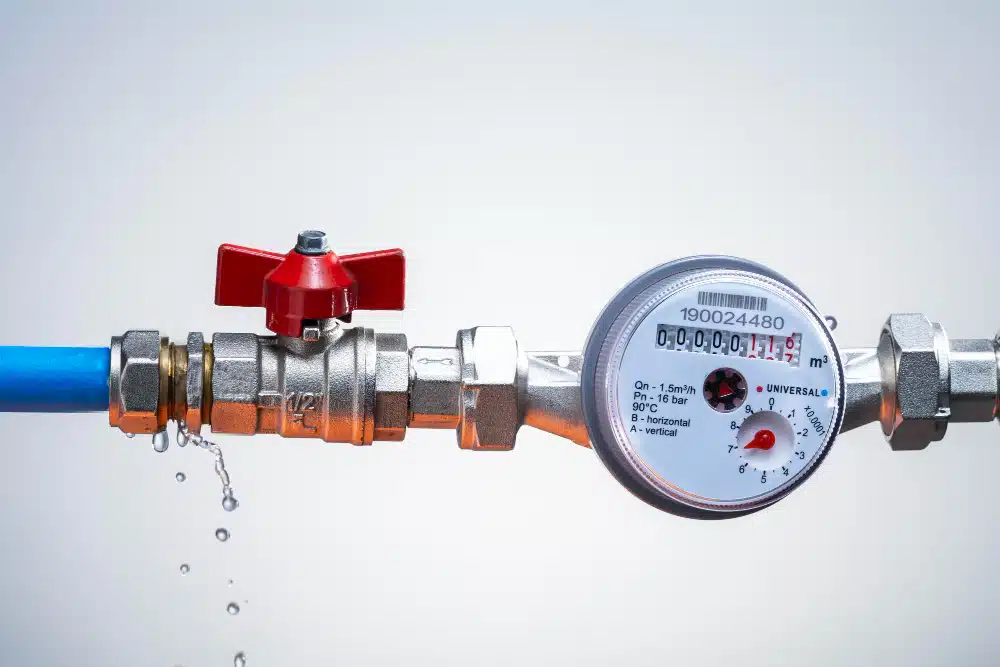
Mechanical meters display a series of black and red numbers. The black digits typically show kilolitres (1,000 litres each), while red numbers track smaller units.
Digital meters show the same information on an electronic screen, often with buttons for cycling through different displays.
Record all the numbers from left to right. This total represents cumulative water flow since installation. Taking regular readings helps you establish baseline usage patterns for your household.
When numbers increase during periods of zero water use, you have a problem. Water is moving through your system when it shouldn’t be, indicating a leak somewhere in your plumbing.
The Two Hour Test That Spots Hidden Leaks
This simple method can confirm whether you have a leak:
- Turn off all water using fixtures and appliances
- Record your current meter reading down to the last digit
- Wait two hours without using any water
- Check the meter again
If the numbers have changed, water is flowing somewhere in your system. Even a small leak can waste hundreds of litres weekly, inflating your bills and potentially damaging your property. You might not even see water pooling or notice damp spots, but underground pipe leaks, faulty toilet flappers and worn tap washers can all cause steady water loss without obvious signs.

What Hidden Leaks Actually Cost You
Underground leaks are particularly problematic as a damaged pipe beneath concrete or in your garden can run for months before you notice, quietly undermining soil stability and damaging surrounding infrastructure. Heavy rain often masks these leaks, making them even harder to detect without careful monitoring.
Water waste represents only part of the problem. Persistent leaks lead to:
- Structural damage from moisture infiltration
- Mould growth in walls, floors, and ceiling cavities
- Foundation issues from soil erosion around your property
- Escalating water bills that compound monthly
Catching leaks early prevents minor issues from becoming major repairs. Regular meter checks, especially after extreme weather or when bills seem unusually high, can save you thousands in remediation costs. Beyond leak detection, regular meter monitoring helps you understand your household water consumption patterns. When you know what normal looks like, anomalies become obvious.
Also watch for these common issues:
- Dripping taps that seem minor but waste litres daily
- Toilet cisterns that keep running after flushing
- Unexplained damp patches on walls or ceilings
- Soft spots in your lawn that stay wet between watering
- Water pressure drops that suggest pipe problems
Do You Think You Have a Leak?
If your meter readings continue climbing despite your best efforts to find the source, professional help becomes necessary. Licensed plumbers have specialised leak detection equipment that can pinpoint problems without excavating your entire property. Our emergency plumbers responds promptly to water issues of all sizes, from dripping taps to major pipe failures. We’ll assess your system, locate the problem, and provide lasting repairs that prevent future issues.