
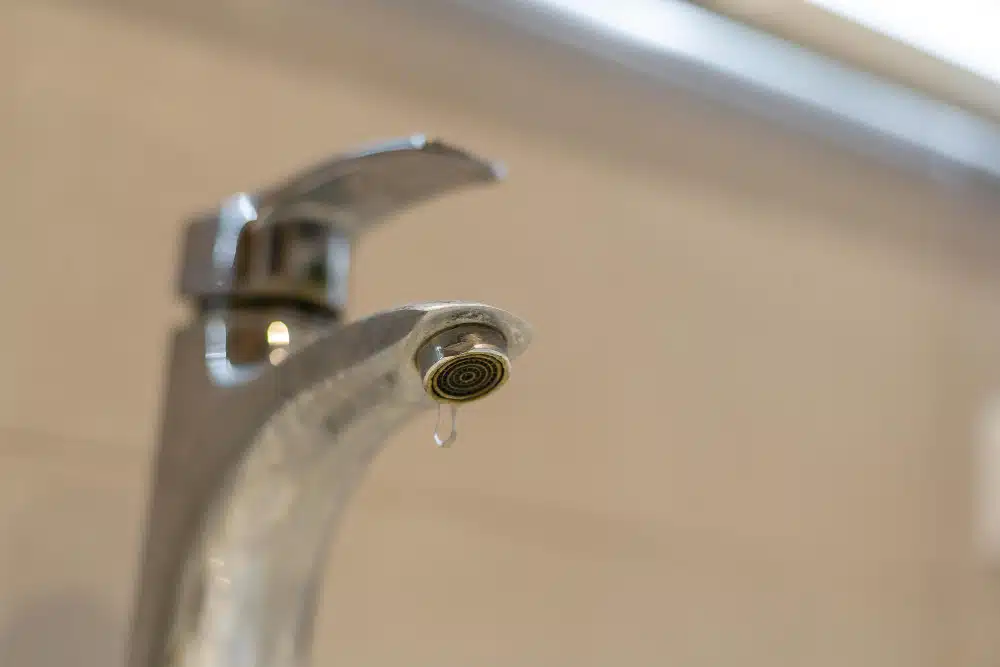
Leaking taps are one of those household problems that seem small but feel huge. You may try to ignore it at first as it’s just a few drops and nothing too serious. Then the dripping gets louder, the water stains start spreading and before long that little leak has become the most irritating thing in your home!
Beyond the annoyance though, a dripping tap wastes a surprising amount of water over time and can cause real damage to sinks, benches and the even fixture itself. The good news is that most tap leaks have straightforward causes and equally straightforward fixes. And this guide walks you through the process in plain language so you can deal with it confidently and quickly.
The Common Reasons Taps Start Dripping
So why do taps start leaking in the first place? Usually it comes down to internal parts that are worn or no longer sealing properly. Every time you turn a handle, small components work together to stop the flow of water and over years of daily use, washers and seals gradually break down. Even quality taps eventually develop tiny gaps that let water sneak through.
Wear isn’t always the culprit though as sometimes it’s something simpler, like a loose connection or a handle that just needs tightening. Mineral build-up is a particularly common issue where the natural sediment in local water can coat internal components and stop the mechanism from closing all the way, causing that constant drip. Incorrect installation can also play a role if the tap was fitted too tightly or not firmly enough.
Identifying which issue you’re dealing with is the most useful first step. Once you’ve narrowed it down, you can decide whether it’s a quick adjustment or whether replacement parts are needed.
Getting the Right Tools Before You Begin
A smooth tap repair starts with having the right tools ready before you touch anything. Trying to make do with the wrong equipment usually creates more frustration than the leak itself whilst also risking damaging the fixture.
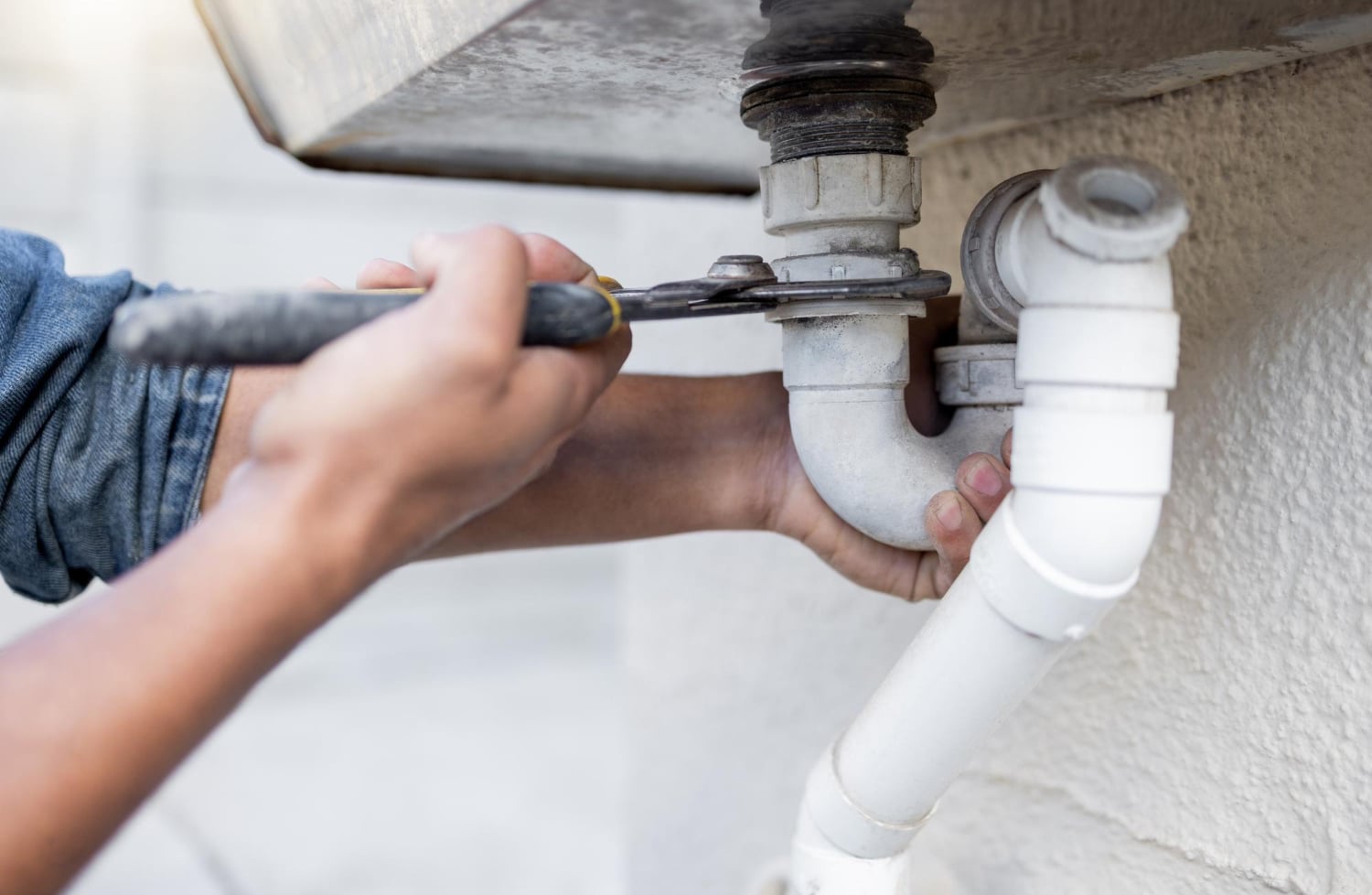
Fortunately most tap jobs only need a handful of items such as an adjustable wrench for loosening nuts without damaging them, pliers for gripping awkward small pieces and a screwdriver that properly fits the screws (an ill-fitting one will strip them quickly). Depending on the tap brand, you may also need a small spanner or a specialised tap tool. If you already know the model of your tap, it’s worth picking up replacement washers or seals beforehand so you’re not stuck mid repair waiting on a hardware store run.
Simple Troubleshooting Steps
Before you start taking things apart, a quick check can save a lot of time. Feel whether the tap handle is loose or wobbly, because tightening the visible screws might be all it takes to stop the drip. While you’re at it, look under the sink for moisture around the connecting pipes. Water sometimes travels up and appears to come from the spout when the actual source is a joint below.
Also pay attention to when the drip occurs. Does it happen only when the tap is off, or even while it’s running? If the leak eases when you apply a little pressure to the handle, that’s a strong indicator the washer is the problem. These small observations take only a minute but can point you directly to the cause.
How to Replace a Worn Washer
Replacing the washer is the most common tap repair because it solves the problem more often than not.
Start by turning off the water supply at the isolation valves under the sink, then open the tap to release any remaining pressure.
Remove the tap handle with a screwdriver, then use your wrench to unscrew the retaining nut. This lets you lift out the valve assembly, where you’ll find a small rubber washer responsible for creating the seal. If it looks cracked, flattened, or brittle, it needs to go.
Fit the new washer in the same position, reassemble everything in reverse order, and make sure the nut is firm without being overtightened. Turn the water back on, test the tap, and in most cases that’s the job done.
Dealing With Corrosion and Scale
A washer won’t fix everything as older taps can develop corrosion on the metal components, which roughens the surfaces that need to be smooth and makes proper sealing very difficult. Mineral scale causes similar issues, building up as hard white deposits that prevent the mechanism from closing fully.
If you spot that kind of build-up, a gentle clean can make a real difference. Soaking the affected parts in a descaling solution and scrubbing lightly with a soft brush often removes enough sediment to restore function. In more severe cases, the damage may be too far gone and the tap will need replacing altogether. Regular maintenance goes a long way toward preventing scale from reaching that point.
Putting the Tap Back Together Correctly
Reassembly deserves as much care as the repair itself as each component needs to go back in the exact order it came out, handles should sit neatly so they turn smoothly, and every connection should be checked before the water is turned back on.
Once everything is back together, wipe the area dry so you can clearly see whether any water appears during testing. If the tap feels stiff or hard to operate, it’s likely been overtightened, back it off slightly. A few extra minutes here makes the difference between a repair that lasts and one that needs redoing.
Would You Rather a Professional Fix Your Leaky Tap?
Some tap repairs are straightforward and others aren’t. Knowing the difference saves time, money and potential damage to your property. If the parts won’t budge, the tap is in a hard to reach location or you’re finding cracks in the pipework, it’s worth calling in a professional rather than pushing through a repair that’s beyond a standard DIY fix. The same goes for leaks that persist even after adjustments as that’s usually a sign something more significant is going on.
Our emergency plumbers handles leaking taps across Brisbane, along with the full range of plumbing services your home or business might need from routine maintenance through to emergencies. So if you’re not confident about what you’re dealing with, we’re happy to take a look and get it sorted properly.