
Few things can ruin your day faster than stepping into the shower expecting soothing warmth, only to be greeted by icy water. It’s a situation that can happen at the most inconvenient times usually after a long day at work, before heading out in the morning or when you simply want to relax. While your first instinct might be to panic, most hot water system issues have clear causes and solutions. Understanding the problem is the first step toward getting your hot water back, whether it’s something you can fix yourself or a job best left to a professional.
What Are Water Temperature Fluctuations?
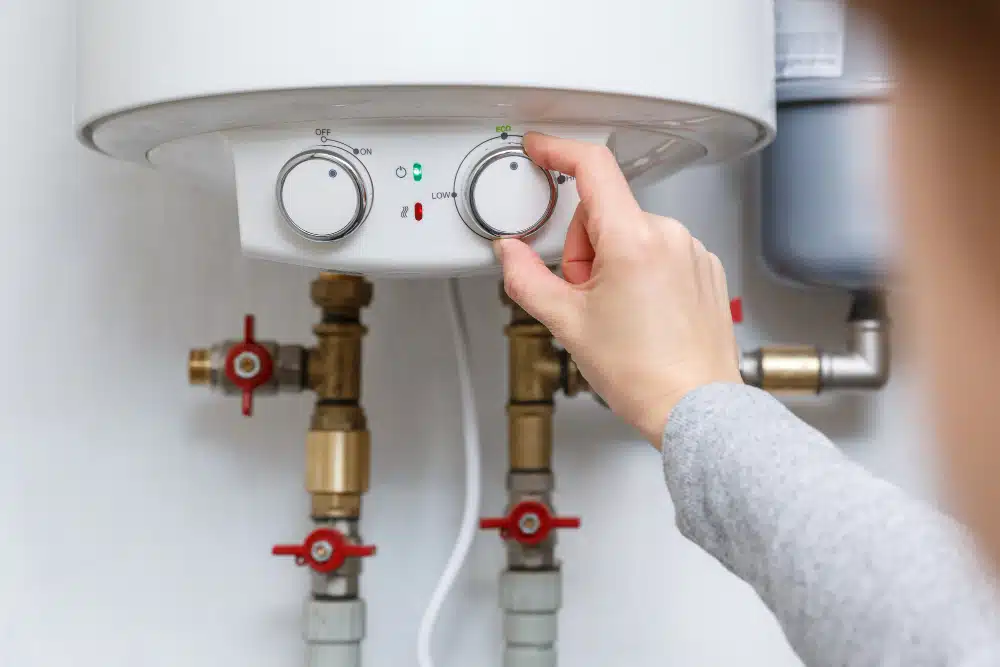
When your water is coming out far too hot or not hot enough, the thermostat is the first place to check. Sometimes, the solution is as simple as adjusting the setting to your preferred temperature. If that doesn’t resolve it, the problem might be more complex. Possible causes include a malfunctioning gas control, sediment build up in the tank, a faulty burner assembly or even a problem with the temperature pressure relief valve. These issues can affect efficiency and safety, so if a quick thermostat tweak doesn’t help, it’s worth calling in an expert to inspect and repair the system.
Experiencing Strange Discolouration or Blockages
If the water suddenly looks cloudy, rusty or has a brownish tint, mineral build up or sediment could be the culprit. Over time minerals like calcium and magnesium can accumulate inside your system, blocking valves and interfering with the thermostat’s ability to detect water temperature accurately. This can become dangerous if the system keeps heating water without proper temperature control.
Even if the water clears after a while, the underlying problem could still be there, so flushing the tank regularly and scheduling regular maintenance can help prevent serious issues, particularly in areas where the water supply has a higher mineral content.
Unusual Noises Coming from the System
A hot water system should operate quietly, so if you hear banging, popping or rumbling, it’s worth investigating. These sounds often indicate sediment build up in the tank, which can create hot spots and put unnecessary strain on the system. In some cases the heating element may have burned out and need replacing. A boiling or hissing sound is more serious as it could mean the water is overheating, which risks damaging the system. If this happens, switch the unit off immediately and arrange for a professional inspection.

Notice Leaks and Drips
A leak might seem like a small nuisance at first, but it can quickly lead to bigger problems such as water damage or system failure. The cause could be something simple, like a loose valve that just needs tightening or something more serious like a corroded tank that requires replacement. High water pressure, poor installation or simply a lack of maintenance can also be factors. Pinpointing the source of the leak is essential before deciding on repairs. If your system is older then replacing it may be the best solution here.
Gas System Troubles with the Thermocouple
For gas powered hot water systems, a faulty thermocouple is a common issue. This small sensor detects whether the pilot light is on and ensures gas only flows when it’s safe. If it’s damaged, your system may stop producing hot water altogether. And sometimes relighting the pilot light is all that’s needed. If that doesn’t work though the thermocouple might need replacing and you should call in a licensed gas plumber to handle it for safety.
While some hot water issues can be tackled with a bit of DIY troubleshooting, others require specialist tools, parts and experience. If you’re unsure about the problem or if you’ve tried a basic fix and it hasn’t worked, bringing in a professional is the safest route. If you’re in Brisbane and need reliable hot water system repairs or maintenance, then just give us a call.